Thinking about selling your Miami Beach condo? In this market, the unit itself is only part of the story. Buyers often want answers about the building, the association, inspections, reserves, and possible assessments before they feel ready to move forward. If you plan ahead, you can reduce surprises, protect your timeline, and make your sale feel more organized from day one. Let’s dive in.
Start With Condo Documents Early
One of the most important steps in a Miami Beach condo sale happens before your home even goes under contract. In Florida, condo sellers must be prepared to provide buyers with a package of association and governance documents at the seller’s expense, including items like the declaration, bylaws, rules, annual financial statement, annual budget, FAQ sheet, governance form, and in some cases milestone inspection and reserve-related materials, as outlined in Florida Statute 718.503.
This matters because delivery timing can affect your contract and closing. For many condo resales, buyers have a 7-day cancellation period after receiving the required documents. For contracts that involve newer milestone, turnover, or reserve-study disclosures, the law provides a 15-day cancellation window and can allow the buyer to request up to a 15-day closing extension after receiving those documents, according to Florida Statute 718.503.
The practical takeaway is simple: do not wait until the last minute to gather paperwork. If documents arrive late or are incomplete, your transaction can be delayed or become more complicated before closing.
What to gather before listing
Before your condo hits the market, it helps to request and organize:
- Declaration, articles of incorporation, bylaws, and rules
- Annual financial statement and annual budget
- FAQ sheet and governance form
- Any applicable milestone inspection summary
- The most recent structural integrity reserve study, or a statement that none exists
- Any applicable turnover inspection report
Having these ready helps you answer buyer questions faster and keeps the sale moving.
Order the Estoppel Early
Another key document is the estoppel certificate. In a condo closing, the estoppel confirms important details such as regular assessment status, special assessments, other amounts owed, upcoming amounts due, transfer or resale fees, open violations, board-approval or right-of-first-refusal requirements, and association insurance contact information under Florida Statute 718.116.
Because owners remain liable for assessments while they own the unit, unpaid balances and surprise charges can become closing problems. The estoppel is often the clearest way to confirm the account is current before closing. Florida law also requires the association to issue the estoppel within 10 business days of a written or electronic request, and the fee is capped by statute, as stated in Florida Statute 718.116.
Why estoppel timing matters
Ordering the estoppel early gives you time to:
- Confirm whether your account is current
- Identify any special assessments
- Review transfer fees or approval requirements
- Resolve open violations before closing day
A delayed estoppel can slow a sale that otherwise looks ready to close.
Be Ready for Building-Level Questions
In Miami Beach, buyers often look beyond your finishes, view, and floor plan. They may also ask about the building’s recertification status, milestone inspections, repair work, reserves, and insurance-related issues.
The City of Miami Beach states that commercial and multifamily buildings built on or after 1993 must complete recertification at 30 years and every 10 years after that. The process requires structural and electrical reports from Florida-registered professionals, and if corrections are needed, permits are required. While work is underway, a new Safe to Occupy letter may also be required every 180 days, according to the city’s building recertification page.
Florida’s milestone inspection law also applies to condominium buildings that are three or more habitable stories tall. The law generally requires milestone inspections at 30 years and every 10 years thereafter, although some coastal localities may require the first inspection at 25 years, under Florida Statute 553.899.
Questions buyers may ask about the building
Expect questions like:
- Has the building completed recertification or milestone inspection requirements?
- Are repairs planned, underway, or recently completed?
- Is there a structural integrity reserve study?
- Are there current or upcoming special assessments?
- Are there open building or unit violations?
When you can answer these questions clearly, buyers tend to feel more comfortable making an offer.
Understand Reserve Studies and Assessments
For many Miami Beach condo sales, reserve health has become a central part of negotiations. Florida law now ties reserve funding more closely to the most recent structural integrity reserve study for associations that must obtain one. Budgets adopted on or after December 31, 2024 cannot choose to fund less than required for the covered items, according to Florida Statute 718.112.
For sellers, that means buyers may look closely at the association’s financials, repair planning, and any signs of future assessment pressure. Even if your unit shows beautifully, building finances can still influence pricing, buyer confidence, and contract terms.
How this affects your sale
If your building has reserve or repair issues, it does not automatically stop a sale. It does mean you should prepare for more detailed buyer questions and make sure disclosures and documentation are organized. In many cases, clarity is better than letting buyers discover key details late in the process.
Prepare the Unit and the Story
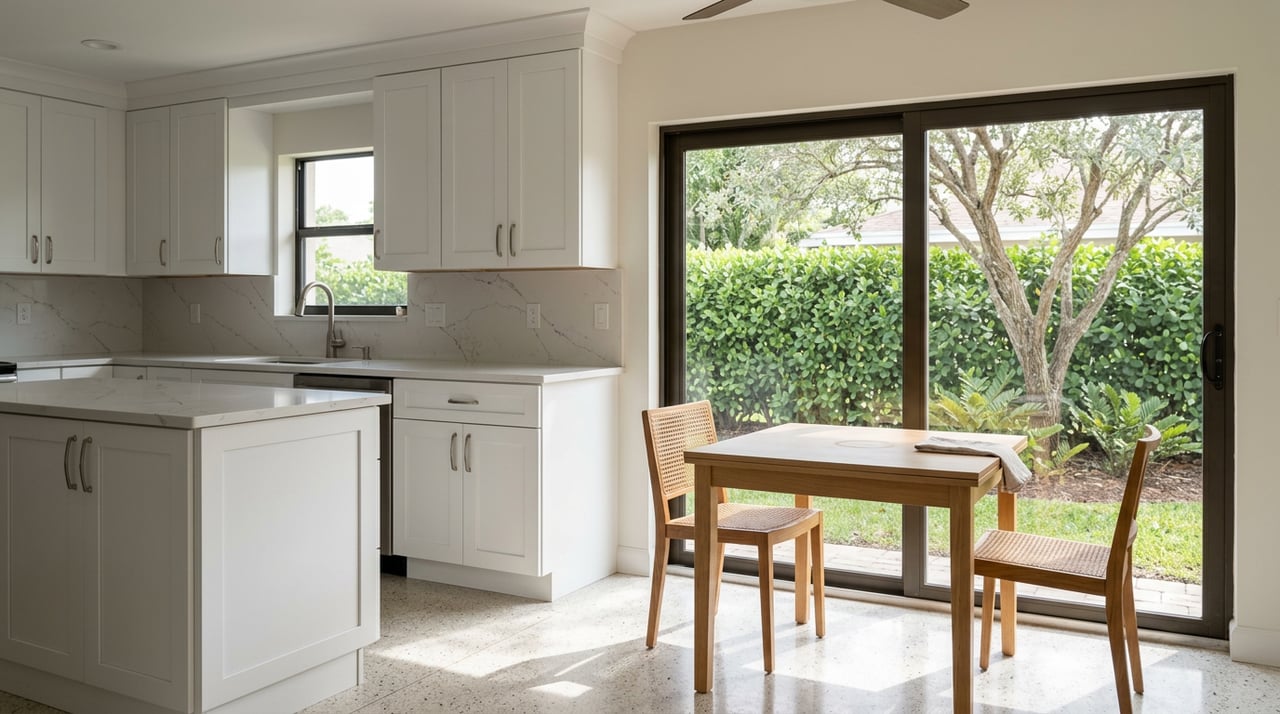
Of course, presentation still matters. Standard condo prep steps like decluttering, neutralizing the space, fixing visible defects, and making the unit bright and easy to tour remain important. Those steps help buyers focus on layout, light, and livability.
In Miami Beach, though, strong preparation includes the building story too. The research behind your sale should be as ready as the photos. Buyers may ask for records related to insurance, financial reports, inspection reports, reserve studies, permits, and association documents, many of which fall within the records owners may inspect under Florida Statute 718.111.
Smart pre-listing prep for sellers
Before showings begin, try to:
- Declutter and simplify each room
- Fix obvious cosmetic issues
- Maximize natural light
- Gather condo and association documents
- Confirm whether inspections, repairs, or assessments may come up
- Review any approval or transfer requirements with the association
This helps your listing feel polished and your transaction feel credible.
Keep the Timeline Tight
One of the biggest risks in condo sales is not price. It is timing. Even when a buyer is ready, paperwork delays can change the closing schedule.
If the correct documents are not delivered on time, Florida’s cancellation and extension rules may affect the transaction. That is why it is so important to confirm document delivery, secure the estoppel, and disclose any known assessment, recertification, or inspection issues before the closing date, based on Florida Statute 718.503.
A smoother condo sale checklist
Here is a practical checklist to keep your sale on track:
- Request the association document package early.
- Review whether milestone or reserve-related disclosures apply.
- Order the estoppel certificate as soon as timing makes sense.
- Confirm any assessments, violations, or approval requirements.
- Prepare your unit for photos and tours.
- Share building information clearly when buyers ask.
- Coordinate closely with the association and title company.
Why Local Guidance Matters
Selling a condo in Miami Beach often requires more coordination than selling a typical single-family home. You are not only marketing a property. You are also navigating association procedures, statutory disclosures, building-level conditions, and timing rules that can affect the buyer’s decision.
That is where a hands-on local approach can make a difference. A well-managed sale starts with early document organization, steady communication with the association and title company, and clear guidance when inspection, reserve, or assessment issues surface.
If you are preparing to sell and want a plan built around your building, timeline, and goals, Green Group Realty can help you navigate the process with personalized, high-touch support.
FAQs
What documents do you need when selling a condo in Miami Beach?
- In a Florida condo resale, sellers should be prepared to provide association documents such as the declaration, bylaws, rules, annual financial statement, annual budget, FAQ sheet, governance form, and, when applicable, milestone inspection and reserve-related materials.
How long does a buyer have to cancel after receiving condo documents in Florida?
- Depending on the transaction and disclosures involved, the buyer may have a 7-day cancellation period or a 15-day cancellation period after receiving the required documents, and some contracts may also allow a closing extension.
What is an estoppel certificate in a Miami Beach condo sale?
- An estoppel certificate is an association document that confirms assessments, amounts owed, special assessments, fees, violations, approval requirements, and certain other closing-related details.
Can building recertification affect selling a condo in Miami Beach?
- Yes. Buyers may ask whether the building is subject to recertification, whether reports or repairs are pending, and whether any related work or costs could affect ownership after closing.
Why do reserve studies matter when selling a Miami Beach condo?
- Reserve studies can influence buyer confidence because they relate to future repair planning, association budgeting, and the possibility of special assessments.