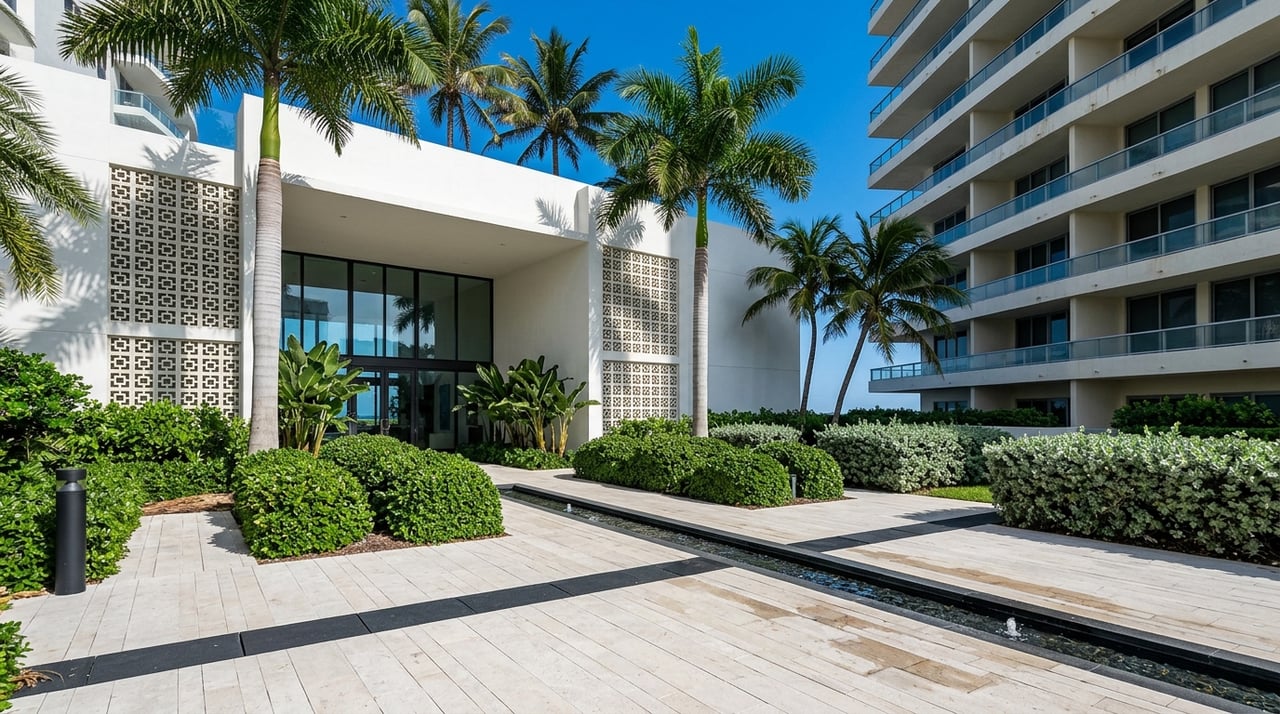
If you picture oceanfront living in Mid-Beach, you might imagine one clear lifestyle. In reality, this stretch of Miami Beach supports two very different experiences. If you are deciding between a large high-rise and a smaller boutique building, understanding that difference can save you time and help you buy with more confidence. Let’s dive in.
Mid-Beach Offers Two Oceanfront Lifestyles
Mid-Beach runs along Collins Avenue and Indian Creek Drive between 24th and 63rd Streets, giving you a broad oceanfront corridor with both residential and resort influences. This is part of what makes the area so appealing to buyers who want beachfront access without giving up convenience.
Daily life here can feel flexible and connected. The Beachwalk spans the length of the island, and the city’s trolley network links South Beach, Mid Beach, and North Beach. The Middle Beach Loop also runs seven days a week from 8 a.m. to 11 p.m. at roughly 20-minute intervals, which can make it easier to live car-light for many day-to-day outings.
Mid-Beach also includes places with a stronger hospitality and cultural identity, including the Faena District between 32nd and 36th Streets. That mix of beach, hotels, arts, and transportation helps explain why both resort-style towers and boutique oceanfront buildings work so well in the same neighborhood.
What a Large High-Rise Feels Like
A large Mid-Beach tower usually delivers a more active, amenity-forward lifestyle. In practical terms, that often means bigger lobbies, more elevators, more shared spaces, and a steadier flow of residents, guests, and staff throughout the day.
Blue & Green Diamond is a useful local example of this scale. The project includes two 44-story towers with 686 total units, which gives you a sense of how substantial some Mid-Beach oceanfront buildings can be.
In this type of setting, the building experience often feels closer to a resort than a quiet residential hideaway. Mid-Beach’s broader hotel corridor reinforces that rhythm, especially in an area where large hospitality properties and service-driven environments are part of the backdrop.
Why Buyers Choose High-Rises
Many buyers are drawn to large towers because of convenience and energy. If you like visible staff presence, active common areas, and a building that feels lively, a high-rise can be a natural fit.
This style of building can also appeal if you expect to use multiple amenities on a regular basis. The bigger the building, the more likely you are to experience a full-service atmosphere as part of everyday life rather than as an occasional perk.
What to Consider in a Large Tower
That same scale can also mean a busier day-to-day environment. You may have more lobby traffic, more elevator use, and less of a quiet, tucked-away feel than you would in a smaller building.
Ownership can also involve more shared systems and more common-area upkeep. That does not automatically make a high-rise better or worse. It simply means your lifestyle and cost structure are tied to a larger physical operation.
What a Boutique Building Feels Like
A boutique oceanfront building in Mid-Beach usually offers a more intimate residential atmosphere. You still get the beachfront setting, but the pace often feels calmer and more private.
57 Ocean is a strong example on the smaller end of the spectrum. The building has 71 residences at 5775 Collins Avenue and is positioned around wellness and oceanfront living rather than sheer size.
What matters most is that boutique does not mean limited. In Mid-Beach, a smaller building can still offer a highly elevated lifestyle while keeping the overall experience more curated and less crowded.
Boutique Does Not Mean Fewer Amenities
57 Ocean includes a private spa, two infinity pools, a club room with chef’s kitchen and outdoor summer kitchen, a library, a children’s room, an indoor Technogym fitness center, an outdoor gym, and a Wellness Coach. That is a strong reminder that a smaller building can still feel luxurious and service-oriented.
The difference is usually not whether amenities exist. The difference is how many residents share them and how the building feels when you use them.
Why Buyers Choose Boutique Buildings
Boutique buildings often appeal to buyers who value privacy, lower traffic, and a quieter rhythm. If you want oceanfront living that feels more residential and less hotel-like, this format may better match your day-to-day preferences.
You may also prefer the feeling of entering a building where fewer people are moving through common spaces at any given time. For some buyers, that sense of calm is one of the biggest advantages of the boutique option.
High-Rise vs Boutique at a Glance
If you are comparing the two, the real question is less about which one is better and more about which one feels more natural for how you want to live.
| Feature | Large High-Rise | Boutique Building |
|---|---|---|
| Overall feel | Energetic and service-rich | Calmer and more intimate |
| Common areas | Busier, more shared circulation | More curated, less traffic |
| Social atmosphere | More active throughout the day | More private and residential |
| Amenity style | Broad, resort-like environment | Focused, high-touch environment |
| Best fit for | Buyers who want convenience and activity | Buyers who want privacy and quiet |
How Mid-Beach Supports Car-Light Living
One of Mid-Beach’s biggest advantages is that oceanfront living here is not limited to your building. The neighborhood itself adds real day-to-day convenience.
You can use the Beachwalk for walking and biking along the shoreline, and the city trolley system makes it easier to move between nearby parts of Miami Beach. That can matter whether you live in a large tower or a boutique building, because both lifestyles benefit from the same connected setting.
For buyers who do not want to rely on a car for every outing, Mid-Beach has a practical edge. The combination of public transportation, beachfront paths, and nearby hotel and cultural destinations supports a more flexible routine.
Ownership Costs in Oceanfront Buildings
Oceanfront living is not only about views and amenities. In Mid-Beach, ownership also comes with coastal conditions that should be part of your decision from the beginning.
Miami Beach notes that the city’s low elevation makes it vulnerable to storms and sea level rise. The city also states that 93% of all buildings are in the Special Flood Hazard Area under current FEMA maps, which means flood insurance is required for federally backed mortgages and recommended for all properties.
The city has invested in resilience efforts such as stormwater projects, higher seawalls, elevated streets, and a Resilience Code. Those are important local factors, but they do not remove the need for buyers to understand insurance, reserves, and building condition before purchasing.
Why Exterior Maintenance Matters
Oceanfront exposure can accelerate wear on building materials. FEMA notes that salt spray is greatest near breaking waves and declines rapidly inland, and corrosion of metal connectors and fasteners is accelerated in coastal areas.
For you as a buyer, that means items like balconies, façade elements, exterior hardware, and other exposed materials matter in a very real way. In Mid-Beach, the maintenance story is part of the ownership story.
High-Rise and Boutique Cost Differences
Large towers often have more shared systems, more staff, and more common-area maintenance. Boutique buildings may have fewer shared spaces, but highly amenitized smaller buildings can still carry premium service expectations.
That is why it helps to look beyond the label. A high-rise may offer scale and convenience, while a boutique building may offer calm and privacy, but in both cases you should be thinking about flood exposure, insurance, reserves, and long-term exterior durability.
Which Mid-Beach Option Fits You Best?
If you want an active building with a more social, resort-like atmosphere, a large high-rise may feel like home. If you want a quieter residential environment with a more curated pace, a boutique building may be the better match.
In Mid-Beach, both choices can deliver true oceanfront living. The difference comes down to how you want your home to feel once you step off the sand and back into the building.
That is where local guidance matters. Mid-Beach is a small area with meaningful lifestyle differences from one stretch of Collins Avenue to the next, and the right fit is often clearer when you compare buildings through both a lifestyle and ownership lens.
If you are weighing Mid-Beach oceanfront options, Green Group Realty can help you compare buildings, understand the neighborhood, and make a more informed decision with local insight.
FAQs
What is the difference between a Mid-Beach high-rise and boutique building?
- A large high-rise typically feels more active and resort-like, while a boutique building usually feels quieter, more private, and more residential.
Can a boutique oceanfront building in Mid-Beach still have luxury amenities?
- Yes. Smaller Mid-Beach buildings can still offer extensive amenities, including spa, fitness, pool, and club-style spaces, even with far fewer residences.
Is Mid-Beach a good place for car-light living?
- Mid-Beach offers practical car-light features such as the Beachwalk, city trolley connections, and access to nearby destinations along the beachfront corridor.
What ownership costs matter most for Mid-Beach oceanfront condos?
- Key considerations include flood insurance, reserves, exterior maintenance, and the effects of oceanfront exposure on building materials and shared systems.
Which Mid-Beach building type feels more private?
- In general, boutique buildings tend to feel more private because they have fewer residences, less lobby traffic, and a more intimate common-area experience.