Thinking about building a rental portfolio in Doral but want a plan that actually holds up to Miami‑Dade’s costs and rules? You are not alone. Doral’s growth, corporate presence, and steady rental demand make it a strong long‑term market if you buy the right assets and underwrite with local realities in mind. In this guide, you will get a clear, step‑by‑step approach that fits Doral today, with local rules, numbers, and checklists you can use right away. Let’s dive in.
Why Doral attracts renters
Doral has expanded quickly over the past decade. The 2020 Census counted 75,874 residents, and the latest Census QuickFacts estimate points to continued growth through 2024. That rising base supports stable demand for long‑term rentals, especially near job centers and mixed‑use districts. Census QuickFacts shows ongoing population gains.
Location is a key driver. You are minutes from Miami International Airport, major logistics corridors, and significant employers. Corporate and institutional footprints nearby support relocation traffic and furnished corporate leases. Downtown Doral and CityPlace continue to evolve with new mixed‑use deliveries, which adds housing options and foot traffic near retail and dining. For development context, see Codina Partners’ Downtown Doral coverage.
Bottom line: Doral combines weekday employment demand with growing lifestyle amenities. That mix favors both single‑family and townhouse rentals in planned communities, and condo rentals close to Downtown Doral when building rules allow.
Choose your asset type
Condos near Downtown Doral
Condos in and around Downtown Doral give you proximity to restaurants, offices, and new amenities. They can rent well to professionals who want convenience and newer finishes. The tradeoff is association risk and cost, especially after South Florida’s post‑Surfside reforms. Budget for HOA dues, insurance changes, reserve requirements, and the potential for special assessments, and review building reserves and minutes closely. For a regional view on insurance pressures and reserves, see WLRN’s reporting on condo insurance and reserves.
Townhomes and single‑family homes
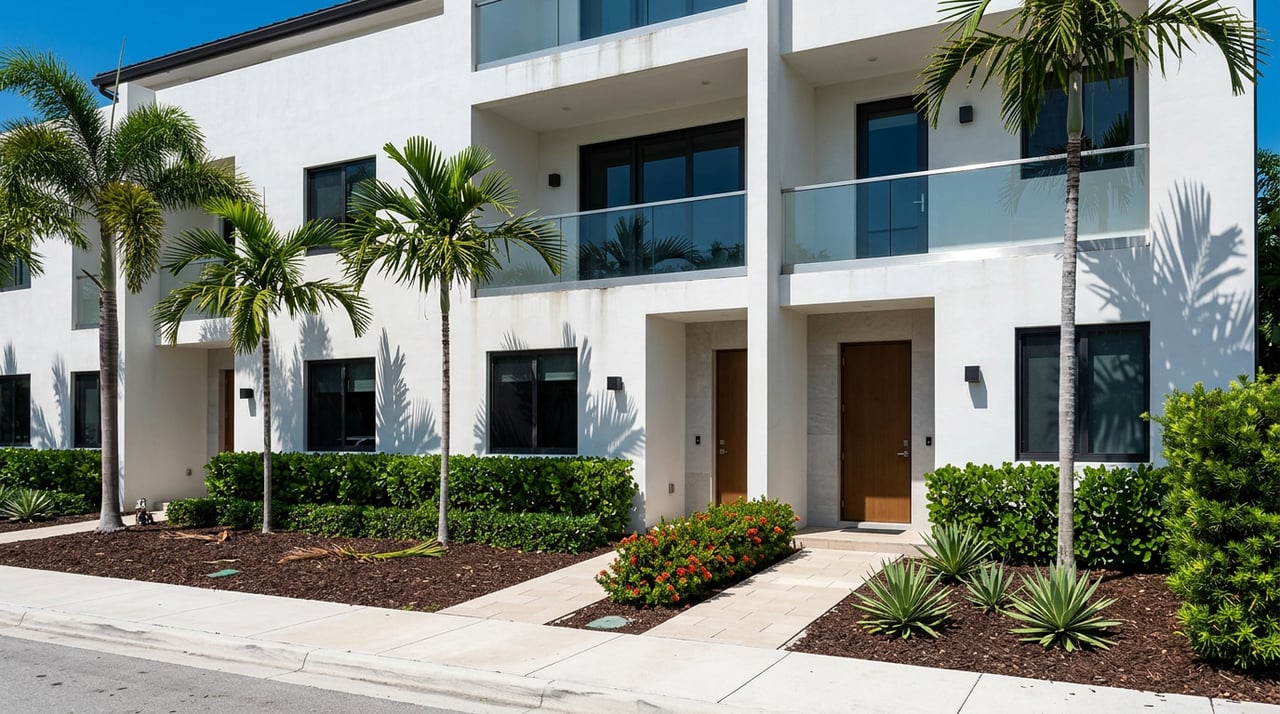
Townhouses and planned‑community single‑family homes in areas like Doral Park and Islands of Doral are common investor choices. These assets often have clearer rental paths, simpler insurance compared to towers, and family‑friendly floor plans that support longer tenancies. Make sure to verify HOA rental policies and lease minimums, and confirm community maintenance standards that affect operating costs and leasing appeal.
Small multifamily
Small multifamily is less common in Doral than in some other Miami‑Dade submarkets, yet it shows up periodically. These assets can offer more stable income and a clearer cap‑rate framework, with value‑add potential through light renovations or better management. Expect pricing and cap rates to vary widely by location, condition, and unit mix.
Know the short‑term rental rules
If you plan to mix furnished or seasonal rentals into your strategy, understand Doral’s ordinance before you buy. The City of Doral allows short‑term and seasonal rentals only with registration and limits activity to a minimum 7‑day stay and up to 6 months per registration. The city caps you at no more than three registrations per property in a 12‑month period, requires safety equipment and compliance, and imposes escalating fines for unpermitted activity. Review the city’s process on the Short‑Term Vacation Rental Ordinance FAQs.
These limits make unconstrained Airbnb strategies difficult in many neighborhoods. Many investors focus on standard 12‑month leases or mid‑term furnished housing where allowed by HOAs and local rules.
What the numbers look like in 2026
Prices and rents at a glance
Recent snapshots show a wide range by property type and bedroom count. As of January 2026, Redfin reports a median sale price around $587,500 for Doral, with significant neighborhood variation. For rents, recent provider averages include about $2,812 per month for apartments per RentCafe, roughly $3,300 per month across all rental types per Zillow’s index, and a typical range from $2,700 to $3,100 depending on bedroom count per Zumper (early 2026). Providers use different datasets, so treat these as reference points and confirm building‑level comps before you write an offer.
Quick gross yield examples
Using the median price above, here is a fast screen for context:
- Example A: $2,812 average rent × 12 = $33,744 annual rent. Gross yield ≈ 5.7% at a $587,500 purchase.
- Example B: $3,300 average rent × 12 = $39,600 annual rent. Gross yield ≈ 6.7% at the same purchase price.
These are gross yields, not cash flow. After you deduct taxes, insurance, HOA dues, maintenance, management, and vacancy, net returns will be lower. For multiunit properties, compare your net operating income to local cap‑rate ranges. Market briefs place core multifamily cap rates in many top metros in the mid‑4% to low‑6% range in late 2024 and 2025, with value‑add and smaller assets showing wider spreads. See a recent overview in CRE Daily’s cap‑rate context.
Budget for Miami‑Dade operating costs
- Property taxes. Investor properties are typically taxed without homestead protections. Use the Miami‑Dade Property Appraiser’s parcel tools and the Tax Estimator for address‑level projections, and remember millage rates vary by taxing district. Start here: Miami‑Dade Property Appraiser tools.
- Insurance. South Florida premiums are among the highest in the country and have been volatile. Factor in wind coverage and, for condos, unit policies that align with the building’s master policy and deductibles. For current context, see Insurance Journal’s Florida market reporting.
- Flood insurance. If the property sits in a FEMA high‑risk zone, most lenders will require flood coverage. Under Risk Rating 2.0, pricing depends on the home’s specific risk and elevation, so quotes can vary widely. Learn the basics in NerdWallet’s Florida flood guide, then order a quote and consider an elevation certificate.
- HOA and condo assessments. Dues can vary significantly by community and amenity level, and special assessments matter. Review reserve studies, board minutes, litigation, and insurance details to understand true carrying costs. WLRN’s piece above is a useful primer on post‑Surfside dynamics.
- Maintenance, CapEx, and vacancy. Many investors set aside 5 to 15 percent of gross rent for routine repairs plus a separate annual reserve for big‑ticket items like roofs, HVAC, and appliances. Model a vacancy allowance of at least 5 to 10 percent, then adjust based on submarket leasing times and your manager’s track record.
- Property management. In Miami‑Dade, long‑term rental management often runs about 8 to 12 percent of collected rent, with flat‑fee models available. Short‑term rental management is higher and varies by service level. For benchmarks, see LeaseRunner’s overview of typical fees.
Financing paths, including international buyers
If you are local, conventional and investor loan options are widely available, including DSCR loans that underwrite to property cash flow rather than W‑2 income. If you are an international buyer, many Miami lenders offer foreign‑national programs that usually require larger down payments and different documentation. Work with mortgage specialists who place DSCR and foreign‑national loans regularly so you can compare terms and closing timelines. For an overview of foreign‑national options, review David A. Krebs’ summary of residential non‑U.S. citizen financing.
A simple screening framework
Use this quick four‑step screen when a listing catches your eye:
- Estimate gross yield: annual market rent divided by purchase price.
- Apply a 40 to 60 percent expense factor to approximate NOI for a fast check, then replace with a detailed budget.
- Compare the implied cap rate to recent local multifamily and small‑asset comps to see if the deal’s in range for the area and risk profile.
- Run a cash‑on‑cash calculation with your financing terms to understand actual cash flow after debt service.
Add a conservative stress test. Check performance under a 20 to 30 percent rent drop, a 60 to 90 day vacancy, and an immediate CapEx hit. If the deal still works, you likely have enough cushion for Miami‑Dade’s variable costs.
Your Doral due diligence checklist
- Zoning and rental rules. Confirm that rentals are allowed and whether the HOA imposes lease minimums, waiting periods, or caps. Short‑term rentals require registration and have strict limits. Start with the city’s Short‑Term Vacation Rental Ordinance FAQs and the building’s condo docs.
- Property taxes. Pull parcel‑level estimates and millage rates with the Miami‑Dade Property Appraiser tools, and remember investors do not receive homestead caps. Use the Miami‑Dade Property Appraiser site.
- HOA and building health. Request the reserve study, recent board minutes, insurance certificates, litigation history, and written rental rules. Pay special attention to reserves and any special assessments. WLRN’s condo insurance and reserves coverage offers helpful context.
- Flood and elevation. Check FEMA flood maps, then order an elevation certificate if needed and obtain a flood quote. Pricing varies widely under Risk Rating 2.0. Review NerdWallet’s Florida flood overview for the key cost drivers.
- Insurance quotes. Obtain at least two quotes for homeowners or landlord coverage, wind, and flood. Florida’s premium landscape changes often, so do not rely on last year’s numbers. Insurance Journal’s Florida reporting can help frame expectations.
- Rent comps. Pull building‑level and bedroom‑specific comps. Use a mix of active listings and recent leases, and adjust for parking, amenities, and condition.
- Property management and reserves. Get quotes from two to three local managers, clarify what is included, and set aside a CapEx reserve for major systems.
- Financing. Secure pre‑approval early. If the building is non‑warrantable, confirm lender options. International buyers should compare foreign‑national and DSCR programs with experienced brokers.
First 90 days after closing
- Transfer utilities, confirm all insurance is active at closing, and schedule a baseline inspection for roof, HVAC, electrical, and pest.
- If you plan any short‑term or seasonal stays, complete the city registration process and follow Doral’s equipment and safety requirements.
- Post tenant and emergency contact details, align house rules with HOA bylaws, and set a preventive maintenance calendar for HVAC service, filter changes, and appliance checks.
- Photograph the unit in rent‑ready condition and review your leasing plan with your property manager, including pricing, concessions, and renewal strategy.
How we help you invest with confidence
You do not need a big team to build a smart, resilient portfolio in Doral. You need clear data, local relationships, and a hands‑on advisor who can help you underwrite, negotiate, and manage well. As a boutique Miami brokerage, we combine neighborhood‑level search and acquisition with property management and bilingual service, so you get continuity from offer to leasing. If you are ready to explore Doral condos, townhomes, or single‑family rentals, schedule a Personal Market Consultation with Green Group Realty.
FAQs
What are Doral’s short‑term rental rules for investors?
- The City of Doral requires registration, defines seasonal stays as 7 days minimum up to 6 months, limits you to three registrations per property in a 12‑month period, and enforces safety requirements and fines for violations. Always verify HOA rules as well.
How do condo fees and assessments in Doral affect returns?
- HOA dues, insurance shifts, and special assessments can materially change cash flow, especially post‑Surfside. Review reserve studies, minutes, insurance certificates, and assessment history before you commit to a condo or tower unit.
What is a reasonable cap rate or yield target in Doral today?
- Recent metro briefs place core multifamily cap rates in many top markets in the mid‑4% to low‑6% range, with wider spreads for value‑add and small assets. Screen deals with a gross yield test, then underwrite to NOI and your financing terms to set a cash‑on‑cash target.
How should I estimate Miami‑Dade property taxes on a Doral rental?
- Use the Miami‑Dade Property Appraiser’s parcel tools and Tax Estimator for address‑level projections, and remember non‑homestead investor properties do not receive homestead caps that protect primary residences.
Can non‑U.S. residents finance a Doral rental property?
- Yes. Many Miami lenders offer foreign‑national loans and DSCR products that underwrite to the property’s cash flow. Expect larger down payments and different documentation, and work with a lender experienced in these programs.