Wondering if that Doral condo will actually cash flow? You’re not alone. With strong renter demand near Miami International Airport and Downtown Doral, the numbers can look promising at first glance. The key is knowing how to gather the right inputs, run clean calculations, and stress test the results before you write an offer. This step-by-step guide shows you how to analyze a Doral rental the way local investors do so you can move forward with clarity. Let’s dive in.
Why Doral attracts renters
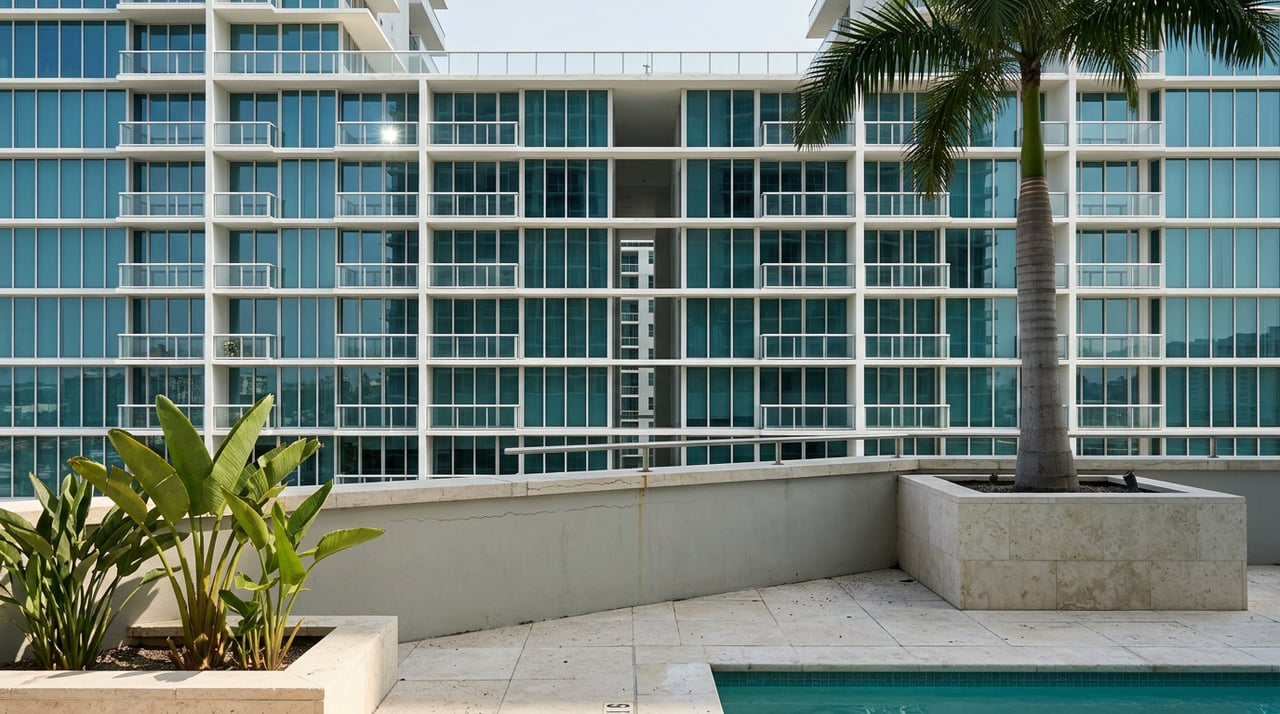
Doral offers a mix of mid-rise condos, newer townhome communities, and purpose-built multifamily. You see steady demand from international renters, corporate relocations, and employees tied to the airport and logistics hubs. Newer retail and office in Downtown Doral also supports rental interest. Many buildings have active owner-occupants, and HOA fees and policies are often decisive for investors. Seasonal rent demand, higher insurance costs, and property taxes should be modeled conservatively.
Gather your numbers first
Before you model any deal, collect a complete set of inputs so your numbers are grounded and comparable.
Acquisition inputs
- Purchase price and unit details: beds, baths, square footage, floor, view, condition.
- Comparable sales from the past 3-6 months in the same building or close by.
- Closing costs estimate. Florida buyer-side costs commonly run around 2-3 percent, but confirm your quote.
Income inputs
- Market monthly rent based on recent rent comps in the same or similar building.
- Other income: parking, pet fees, or utility reimbursements if allowed.
- Vacancy and credit loss assumption. Many Miami investors model 5-7 percent for long-term rentals.
Operating expenses to confirm
- HOA/condo fees. Clarify what the HOA covers, including building insurance, cable, water, trash, exterior maintenance, and reserves.
- Property taxes. Verify assessed value and current millage via the Miami-Dade Property Appraiser. Investor exemptions do not apply.
- Insurance. Get quotes for an HO-6 landlord policy and confirm the HOA master policy details and deductibles.
- Property management. Long-term management fees often run 8-12 percent of gross rent. Tenant placement may be an extra fee.
- Repairs and maintenance. Use a rule of thumb such as 1 percent of property value per year or 3-5 percent of gross rent.
- Capital reserves for replacements. Consider 3-5 percent of gross rent or set an annual reserve amount.
- Utilities you pay, if any.
- Special assessments. Review HOA minutes and reserve studies for pending or probable assessments.
Financing assumptions
- Down payment and loan term.
- Interest rate for investment properties.
- Any lender fees or points.
- If using private financing, note the terms.
Rules and legal checks
- City of Doral and Miami-Dade rules for short-term rentals and business licensing.
- HOA leasing policies: minimum lease terms, lease caps, approval process, and any restrictions.
- Florida Statutes Chapter 83 for rental procedures and notices.
- Flood zone status and hurricane risk, which can affect insurance and lender requirements.
Step-by-step math that investors use
Use the same framework for every unit so you can compare apples to apples.
Key formulas
- Gross Scheduled Income (GSI) = Monthly Rent × 12 + Other income
- Vacancy and Credit Loss = GSI × Vacancy Rate
- Effective Gross Income (EGI) = GSI − Vacancy and Credit Loss
- Operating Expenses = Taxes + Insurance + HOA + Management + Maintenance + Utilities + Reserves
- Net Operating Income (NOI) = EGI − Operating Expenses
- Cap Rate = NOI ÷ Purchase Price
- Annual Debt Service = Annual principal + interest
- Pre-Tax Cash Flow = NOI − Annual Debt Service
- Cash Invested = Down Payment + Closing Costs + Initial Repairs
- Cash-on-Cash Return = Pre-Tax Cash Flow ÷ Cash Invested
- DSCR = NOI ÷ Annual Debt Service
Worked example: 2-bedroom Doral condo
Below is an illustrative template. Always plug in current comps and quotes for a live deal.
- Purchase price: 450,000
- Market rent: 2,800 per month → GSI = 33,600
- Vacancy: 6 percent → Vacancy loss = 2,016 → EGI = 31,584
- HOA: 500 per month → 6,000 per year
- Property taxes estimate: 4,500 per year
- Insurance (HO-6/landlord policy): 1,200 per year
- Property management: 10 percent of rent → 3,360 per year
- Maintenance and reserves: 3 percent of GSI → 1,008 per year
- Utilities paid by landlord: 0
- Total operating expenses: 16,068
- NOI = 31,584 − 16,068 = 15,516
- Cap rate = 15,516 ÷ 450,000 = 3.45 percent
If financed:
- Down payment: 25 percent → 112,500
- Loan amount: 337,500
- 30-year fixed at 6.5 percent (illustrative) → Annual debt service ≈ 25,600
- Pre-tax cash flow = 15,516 − 25,600 = −10,084
- Cash invested: 112,500 + closing costs 6,750 + initial repairs 2,500 = 121,750
- Cash-on-cash return = −10,084 ÷ 121,750 ≈ −8.3 percent
What these numbers mean in Doral
- Condos in desirable Miami submarkets often show lower cap rates in the low to mid single digits, especially when HOA dues are higher.
- Financing can turn a low cap rate into negative monthly cash flow at today’s rates. That does not automatically kill a deal, but it means you should negotiate price, seek higher rent, increase the down payment, or target a building with lower HOA fees.
- Cap rate is based on NOI and price, so it does not change with financing. Cash-on-cash is highly sensitive to leverage.
Sensitivity and scenarios
Test the levers that move returns the most. Run three scenarios and see how your cap rate and cash flow respond.
- Pessimistic: Rent −5 to −10 percent, vacancy 7-10 percent, management 11-12 percent, interest rate +1 percent, HOA +100 to +200 per month.
- Base case: Market rent from recent comps, vacancy 5-7 percent, management 8-10 percent, current HOA and insurance quotes.
- Optimistic: Rent +5 to +10 percent, vacancy 4-5 percent, management 8 percent, interest rate −1 percent, HOA steady.
Tip: Price, rent, and HOA drive most of the variance for Doral condos and townhomes. Insurance and taxes matter too, but HOA swings or special assessments can change the math quickly.
Break-even rent for the example
Using the example inputs, your pre-tax cash flow hits zero at roughly 3,840 per month. That figure reflects vacancy, management, and maintenance as a percentage of rent, plus fixed costs like HOA, taxes, and insurance. Use this method to compute a break-even rent for any property you are considering.
Typical ranges to sanity check inputs
- HOA fees, condos: about 200-900 per month, with amenity-heavy or luxury buildings above 1,000.
- HOA fees, townhomes: often 250-650 per month.
- Property taxes: roughly 1.0-1.5 percent of assessed value. Verify with the Miami-Dade Property Appraiser.
- Management fees, long-term: 8-12 percent of gross rent. Short-term management is higher.
- Vacancy: commonly 5-7 percent for long-term rentals in the Miami metro, but check your unit type and seasonality.
- Maintenance and reserves: 1 percent of value per year or 3-5 percent of gross rent.
Due diligence checklist for Doral condos and townhomes
- Rent comps from the same building or within 0.5-1 mile for similar size and condition.
- Sales comps from the past 3-6 months, plus price per square foot.
- HOA documents: CC&Rs, rental policy, application and approval process, meeting minutes, reserve study, and master insurance policy and deductibles.
- Owner-occupancy ratio and any leasing caps.
- Miami-Dade Property Appraiser records for assessed value and taxes.
- Insurance quotes from Florida-focused brokers for HO-6 and liability.
- Utility responsibilities and average costs if any are landlord-paid.
- Building condition and major systems timeline, including roof, elevators, HVAC, pool.
- Title, survey, and any litigation affecting the condo association.
Where to pull your numbers
- Miami-Dade Property Appraiser for parcel, assessed value, and taxes.
- City of Doral and Miami-Dade County for licensing, short-term rental rules, and local ordinances.
- MLS and local association market reports for the best sales and rental comps.
- Rent data providers for rent comps and trend checks.
- Freddie Mac’s weekly rate survey or local lenders for current investor rates.
- FEMA flood maps and Florida insurance brokers for hazard exposure and premium guidance.
Short-term rentals in Doral
Short-term demand exists from corporate travel and the airport, but many HOAs restrict or prohibit short-term rentals. City and county rules may require specific licensing and tax registration. Confirm both the municipal code and the condo’s rental policy before you underwrite any short-term income.
How we help you invest with confidence
You do not need to figure this out alone. As a boutique, founder-led team, we help you source comps, verify HOA rules, model scenarios, and line up property management so the asset performs after closing. If you want our cap rate and cash flow worksheet or a property-specific analysis in English or Spanish, reach out to Green Group Realty. We will review your target building, run the numbers, and map next steps.
FAQs
How do I get reliable rent comps for a Doral condo?
- Use recent rentals from the same building or nearby similar buildings, cross-check with reputable rent data providers, and confirm with a local property manager.
What HOA fees should I expect for Doral condos vs townhomes?
- Condos commonly run about 200-900 per month, with some luxury buildings higher, while townhome HOAs often range from 250-650 per month depending on amenities and coverage.
Can I operate a Doral condo as a short-term rental?
- It depends on both city and county rules and your HOA bylaws, and many condo associations restrict or prohibit short-term rentals, so verify before you underwrite.
Are condos or townhomes better for cash flow in Doral?
- Townhomes sometimes show better cash flow due to lower HOA fees, while condos can reduce landlord maintenance because exterior items are covered by the HOA.
What cap rate should I expect in Doral?
- Many condos in desirable Miami submarkets trade at low to mid single digit cap rates, so investors often combine yield with appreciation and tax benefits.
What cost surprises are common in Doral condo investments?
- HOA special assessments, higher hurricane-related insurance costs, master policy deductible allocations, and seasonality-driven vacancy can all impact returns.