Thinking about renovating a waterfront home on the Venetian Islands? It can be exciting, but it also comes with higher stakes than a typical remodel. Between flood considerations, permitting, coastal approvals, and buyer expectations in one of Miami Beach’s most polished luxury pockets, smart planning matters. If you want your renovation to support both your lifestyle and future resale, this guide will help you think through the right priorities before work begins. Let’s dive in.
Why Venetian Islands Renovations Need Extra Planning
On the Miami Beach side, the Venetian Islands area is mainly Rivo Alto, Di Lido, and San Marino, with the local homeowners association representing those islands and the portion of the Venetian Causeway within them. That local context matters because renovation decisions here are shaped by both waterfront conditions and Miami Beach rules.
Miami Beach describes itself as a low-elevation coastal barrier island where flooding can come from heavy rain, high tides, and storm surge. The city also states that 93% of all buildings are in the Special Flood Hazard Area under current FEMA maps. For you as an owner, that means flood resilience is not a side issue. It should be part of your renovation plan from day one.
There is also a strong market reason to plan carefully. MIAMI Realtors reported that in 2025, Miami Beach had a luxury threshold of $27.5 million and an uber-luxury threshold of $45.6 million. Even if your property falls below those numbers, the expectation across high-value waterfront homes is often the same: buyers want polished, cohesive, move-in-ready results rather than a patchwork of quick cosmetic upgrades.
Start With Flood and Permit Due Diligence
Before you choose tile, cabinets, or a dock design, start with the property records and the renovation scope. A practical first step is to review the address-specific flood zone, gather the elevation certificate if available, and separate your planned work into categories like interior updates, shoreline work, seawall work, dock work, drainage, and landscaping.
This matters because not every part of a waterfront renovation follows the same approval path. Interior work may move through one permitting process, while exterior and marine-related work may trigger added reviews. If you try to design everything as one simple project without mapping those approvals first, delays can build quickly.
Miami Beach says the typical building permit path includes application, plan review, permit issuance, and inspections. For new construction and major remodeling, a certificate of occupancy or completion is also added. The city also requires applications to be signed and notarized by the owner or the owner’s representative plus a registered contractor, and plans must be complete and signed and sealed.
Know the Review Timeline Early
Many owners underestimate how long review can take. Miami Beach says permits are often issued after about two review cycles, and each cycle can take up to 15 business days depending on how quickly corrections are submitted.
That timeline does not mean every project will drag on, but it does mean your contractor and design team should prepare complete plans from the start. Clean submissions can help reduce avoidable back-and-forth. On a waterfront property, where scope changes can affect cost and timing in a big way, that preparation is worth it.
Choose the Right Renovation Team
For a Venetian Islands renovation, experience in Miami Beach matters. Contractors working in Miami Beach must be registered with the city, and Miami-Dade County Code and Florida Statutes require contractors to stay licensed and carry general liability and workers compensation insurance.
Miami Beach also warns that owner-builder permits carry direct responsibility and financial risk. In practice, many owners are better served by hiring a Miami Beach-registered general contractor and a designer or architect who already understands local permit reviews, flood requirements, and coastal approvals. That kind of team can help reduce redesigns, late corrections, and expensive scope changes.
The governing code framework matters too. The current Florida Building Code, 8th Edition (2023), became effective on December 31, 2023. If you are renovating an older waterfront property, your team should be planning with today’s code requirements in mind, not assumptions based on past work.
Prioritize Renovations That Support Resale
If resale value is part of your goal, focus first on upgrades that buyers notice immediately and that feel durable over time. National Realtor data from 2025 showed especially strong seller interest in kitchen upgrades, new roofing, and bathroom renovations. The same report found strong estimated cost recovery for projects like new steel front doors, new fiberglass front doors, vinyl windows, wood windows, and complete or minor kitchen remodels at about 60%.
That does not mean every house needs the same checklist. On the Venetian Islands, the strongest renovation strategy is often a carefully edited one. Buyers in this setting tend to respond to homes that feel calm, low-maintenance, and visually consistent from the street to the water.
Kitchen Updates That Feel Current
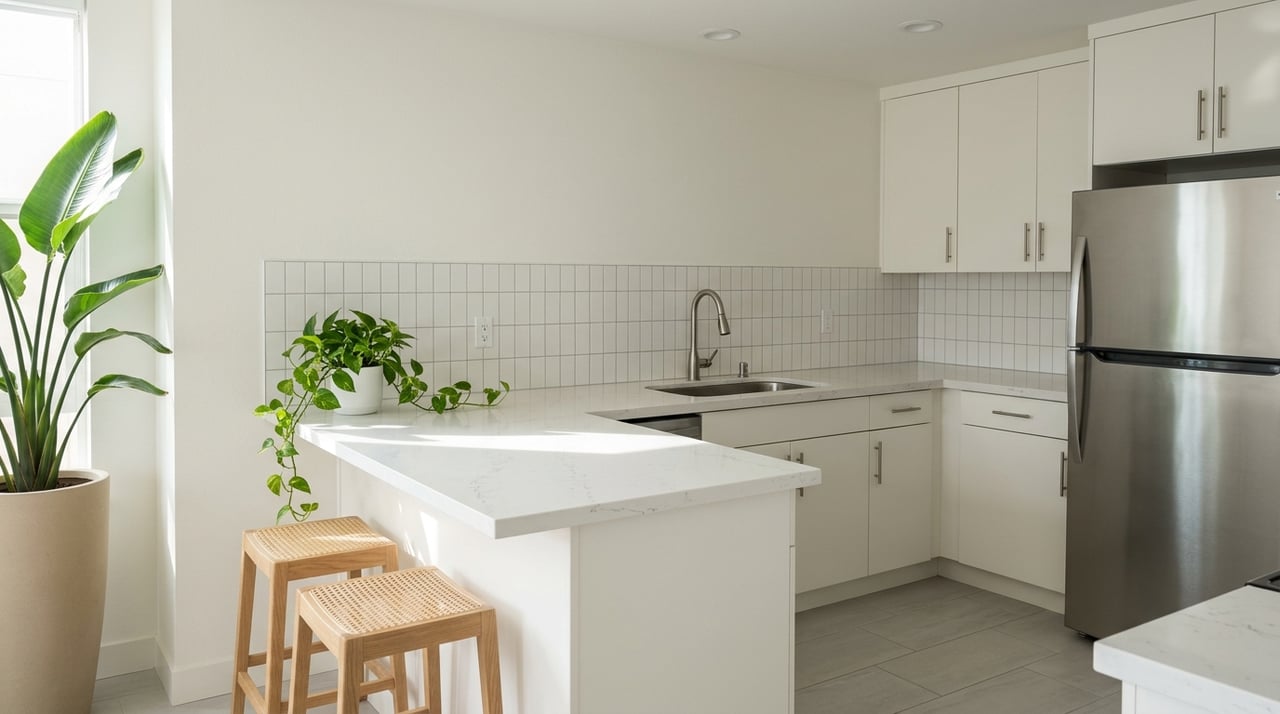
The latest kitchen trends point toward larger, more connected spaces with open layouts, smart technology, custom storage, natural materials, and timeless finishes. For a waterfront home, that usually means creating a kitchen that feels integrated with the main living area rather than closed off from it.
If you are deciding where to spend, prioritize layout, storage, and finish quality over novelty. A kitchen that looks elegant and functions smoothly is more likely to hold broad appeal than one that chases short-term design trends.
Bathroom Upgrades That Add Comfort
Current bath trends lean toward larger showers, spa-like features, smart fixtures, aging-in-place elements, low-maintenance flooring, and light neutral palettes. Those features fit well with what many buyers expect in luxury waterfront homes: comfort, ease, and a sense of retreat.
Primary bathrooms often carry outsized emotional impact during showings. If your renovation budget is limited, a well-executed primary bath can do more for perceived value than scattered smaller upgrades throughout the house.
Roofing, Windows, and Doors Matter More Here
Roofing may not be the most glamorous line item, but it remains one of the renovation priorities with strong seller interest. On a waterfront property, buyers often pay close attention to visible signs of durability and maintenance.
Windows and doors also deserve serious attention. ENERGY STAR states that certified windows, doors, and skylights must meet climate-zone-specific U-factor and SHGC criteria, and replacing single-pane windows with ENERGY STAR certified units can lower heating and cooling costs by up to 13% nationwide. In a hot waterfront climate, that makes the window and door package part of the comfort story and part of the resale story.
Watch the 50% Rule Carefully
One of the biggest planning issues for waterfront owners is the FEMA 50% rule. Miami Beach says that if the cumulative value of improvements over a one-year period reaches 50% or more of the property value, the structure is treated as substantial and must comply with new-construction floodplain and building-code requirements.
This can have a major effect on your budget, timeline, and design choices. A renovation that seems straightforward at first can become much more complex if it crosses that threshold. That is why you should evaluate project scope early, not halfway through construction.
If you are considering a large remodel, ask your project team to review whether your combined work could approach that threshold. It is much easier to make informed decisions at the planning stage than to react after plans are underway.
Understand Waterfront and Environmental Approvals
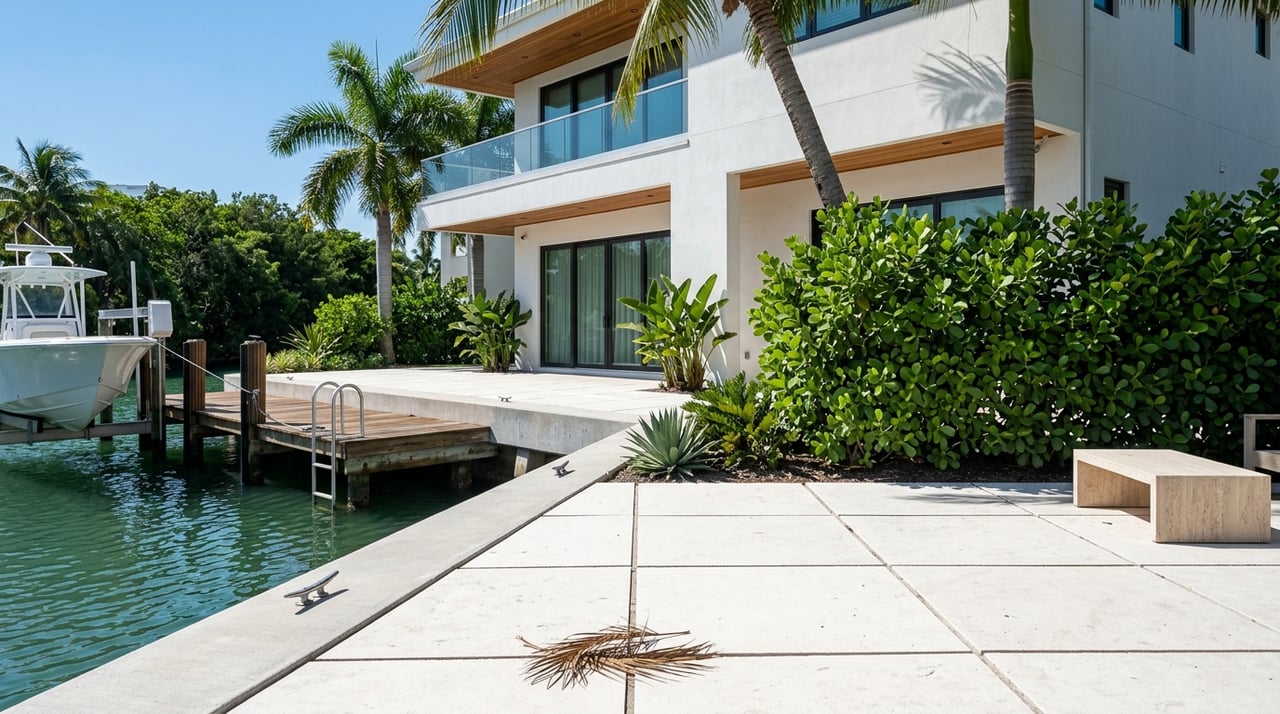
Building permits are only part of the story when your property touches the shoreline. Miami-Dade says one-time environmental permits may be needed for work such as dock or pier construction or tree removal.
The county also states that Class I permits are required for work in, on, over, or upon tidal waters or coastal wetlands and for most mangrove trimming. Class II permits are used to control stormwater discharge to surface water. In addition, the Florida Department of Environmental Protection’s CCCL program regulates structures and activities that can cause beach erosion, destabilize dunes, damage upland properties, or interfere with public access.
For you, the practical takeaway is simple: seawall, dock, drainage, shoreline, and some landscaping work may involve separate approvals beyond the standard building permit. If your contractor is only looking at the house itself and not the waterfront edge, your timeline may be incomplete.
Plan for Construction Logistics Too
Large waterfront renovations often affect more than the house. Deliveries, contractor parking, staging, and neighbor impact all become part of the process.
Miami Beach requires a Construction Parking Management Plan for construction valued over $250,000. That may sound like a detail, but details like this can influence scheduling and contractor coordination. On the Venetian Islands, where access and street conditions can already be tight, logistics deserve attention early.
A Smart Renovation Sequence
If you want a practical way to organize your project, use a step-by-step approach rather than making design decisions in isolation.
- Review the flood zone and elevation information for the property.
- Define the full renovation scope before pricing partial pieces.
- Separate interior work from seawall, dock, drainage, shoreline, and landscaping work.
- Check whether the project could trigger the 50% rule.
- Assemble a Miami Beach-registered contractor and an experienced design professional.
- Build a realistic permit timeline that accounts for review cycles and corrections.
- Prioritize high-visibility, durable upgrades like kitchens, bathrooms, roofing, windows, doors, façade improvements, and well-matched outdoor living areas.
That sequence can help you avoid one of the most common renovation mistakes on waterfront properties: spending heavily on finishes before the structural, code, and approval framework is fully understood.
How Renovation Choices Influence Future Saleability
On the Venetian Islands, resale is rarely just about whether a home looks new. Buyers also look for signs that the work was thoughtfully planned and executed with the property’s waterfront setting in mind.
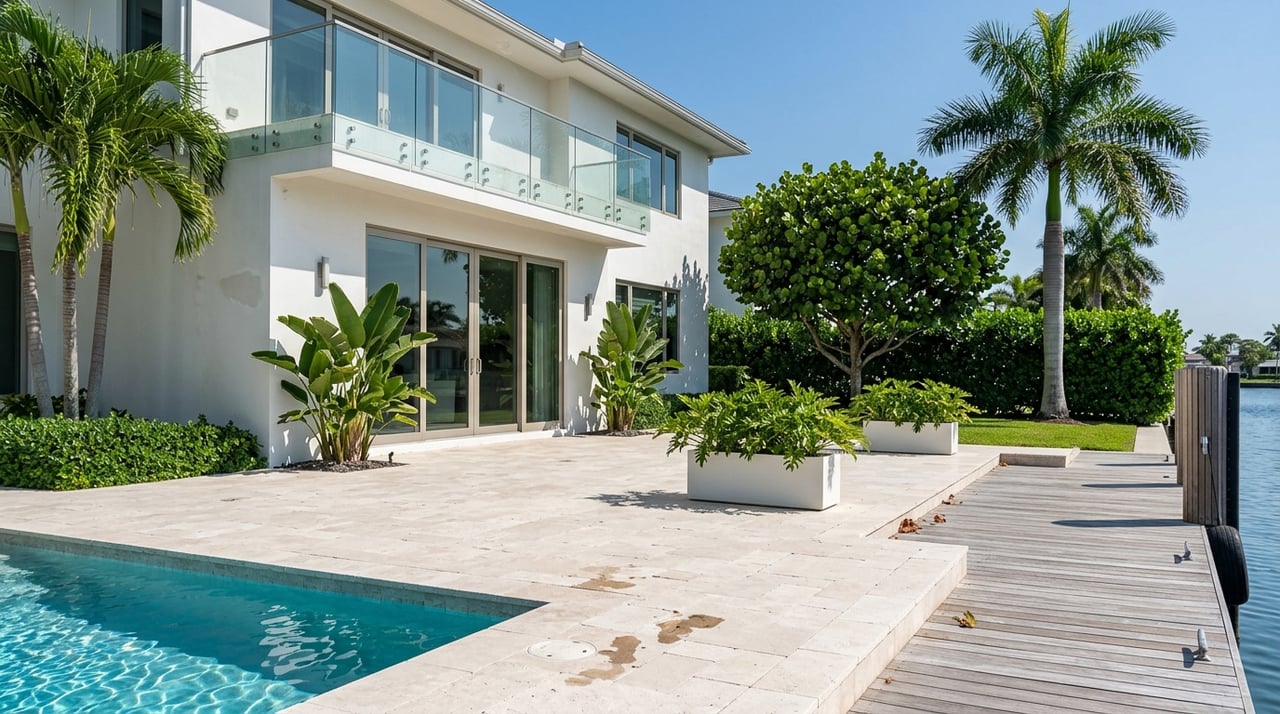
That is why cohesive renovations usually outperform piecemeal updates. A refreshed façade, quality windows and doors, an updated kitchen, a strong primary bath, and outdoor areas that feel connected to the architecture can create a home that reads as complete. In this market, that sense of completeness often matters as much as the finish selections themselves.
If you are renovating with a future sale in mind, it helps to think like both an owner and a buyer. You want spaces that improve your day-to-day enjoyment now, but you also want improvements that support confidence when your home eventually hits the market.
When you are weighing renovation plans, resale strategy, or the timing of a future listing on the Venetian Islands, Green Group Realty can help you evaluate what today’s buyers are likely to notice, question, and value.
FAQs
What should you review first before renovating a Venetian Islands waterfront home?
- Start with the property’s flood zone, elevation information, overall renovation scope, and a permit matrix that separates interior work from shoreline, dock, seawall, drainage, and landscaping work.
What renovation projects are most likely to support resale on the Venetian Islands?
- The most practical priorities are often kitchens, bathrooms, roofing, windows, doors, façade improvements, and outdoor living upgrades that feel durable, cohesive, and low-maintenance.
What does the Miami Beach 50% rule mean for a major remodel?
- If the cumulative value of improvements over a one-year period reaches 50% or more of the property value, Miami Beach says the structure is treated as substantial and must meet new-construction floodplain and building-code requirements.
What permits might a Venetian Islands waterfront renovation need besides a building permit?
- Depending on the scope, waterfront work may also need environmental or coastal approvals for items such as docks, piers, tree removal, mangrove trimming, stormwater discharge, or other work affecting tidal waters or coastal areas.
How long can the Miami Beach permit review process take for a renovation?
- Miami Beach says permits are often issued after about two review cycles, and each review cycle can take up to 15 business days depending on how quickly corrections are submitted.